Planning · 13 September 2026
Tips Sardinia
Sardinia rewards the traveller who looks beyond the beach. Italy's second-largest island packs a remarkable range of landscapes into its shores: granite peaks in the north-east, limestone cliffs in the centre, windswept
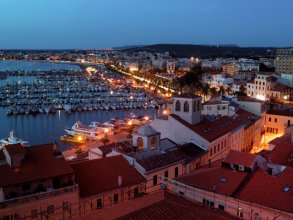
Sardinia: An Island Apart
Sardinia rewards the traveller who looks beyond the beach. Italy’s second-largest island packs a remarkable range of landscapes into its shores: granite peaks in the north-east, limestone cliffs in the centre, windswept dunes in the south-west and some of the Mediterranean’s clearest water almost everywhere in between.
Getting There and Around
The island has three main airports — Cagliari in the south, Olbia in the north-east and Alghero in the north-west — plus ferry links from the Italian mainland and from Corsica. A hire car is close to essential if you want to explore at your own pace; public transport reaches the main towns but rarely the coves and mountain villages that make a Sardinian holiday memorable.
Coasts Worth Knowing
The Costa Smeralda, north-east of Olbia, is the island’s glamorous face, with polished resorts and sheltered swimming. Further south along the same coast, the Gulf of Orosei hides a string of coves — Cala Luna, Cala Goloritzé and others — many reachable only on foot or by boat. In the south-west, the Costa Verde and the dunes near Piscinas offer a wilder, emptier shoreline. The south-east, around Villasimius, is known for long sandy bays and dependable summer weather.
Inland Sardinia
The interior is where the island’s character shows most clearly. The Supramonte plateau and the Gennargentu mountains provide some of the best walking in Italy, including the dramatic gorge of Su Gorropu. The Barbagia region preserves traditions of pastoral life, weaving and food that feel a long way from the coast. Prehistoric sites are scattered throughout: the nuraghe towers of the Bronze Age, the rock-cut tombs of the domus de janas and the mysterious giants’ graves.
Food and Drink
Sardinian cooking is robust and distinct from mainland Italian fare. Look for suckling pig roasted on a spit, pane carasau (the thin crisp bread), pecorino cheeses, and pasta dishes such as culurgiones, filled with potato and mint. The island produces its own wines — Cannonau reds, Vermentino whites and the fortified Vernaccia — as well as mirto, a liqueur made from myrtle berries.
When to Go
Late spring and early autumn bring warm weather with fewer crowds. July and August are hot and busy, particularly along the Costa Smeralda, and accommodation should be booked well ahead. Winter is mild on the coast and quiet everywhere, though some resorts and restaurants close.
Practical Notes
- Sardinia is a large island; allow time for the distances, which can be slower than they look on a map.
- Many beaches charge for parking in high season, and some have limited access.
- Walking in the mountains requires proper footwear and water; summer heat is serious.
- Italian is the everyday language, with Sardinian widely spoken; English is common in tourist areas but less so inland.