Planning · 13 September 2026
Sardinia vacation
Sardinia rewards travellers who look beyond the obvious. The island offers a rare combination of wild landscapes, distinctive culture and a long history of independence, all within easy reach of its coastlines and interi
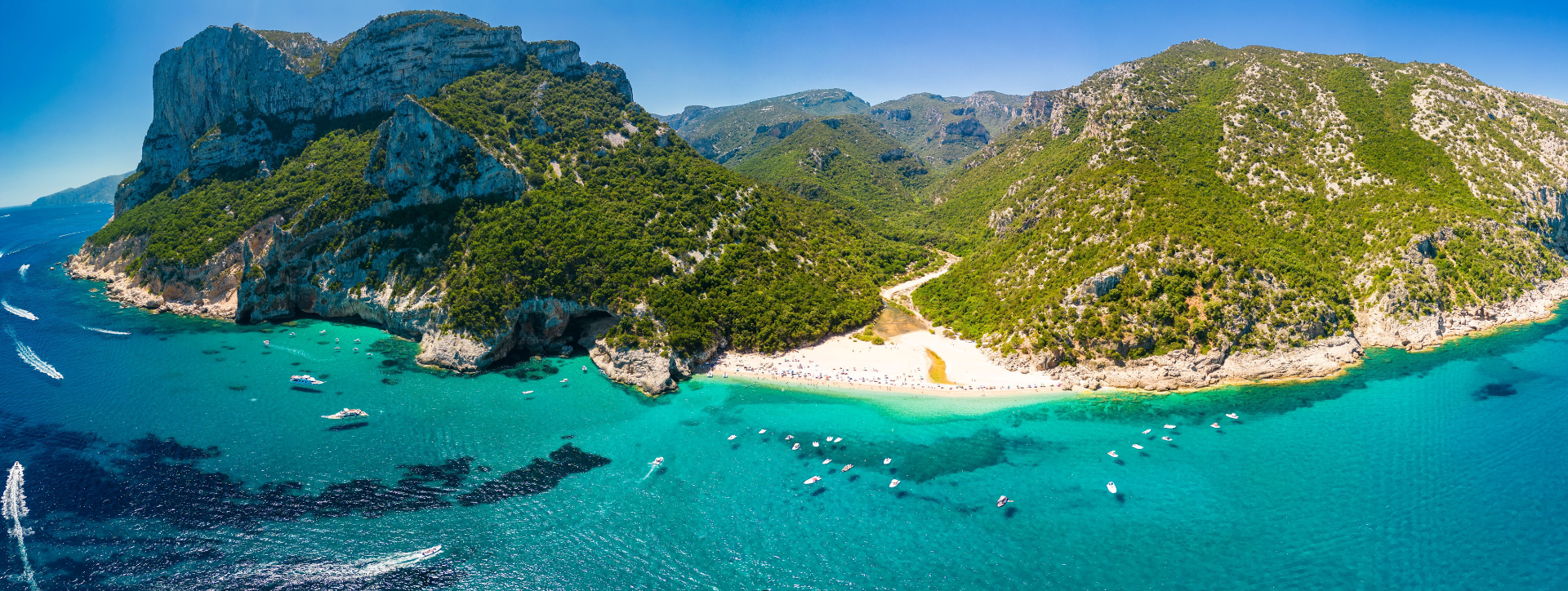
Sardinia rewards travellers who look beyond the obvious. The island offers a rare combination of wild landscapes, distinctive culture and a long history of independence, all within easy reach of its coastlines and interior villages.
An Island Apart
Sardinia sits in the western Mediterranean, separated from the Italian mainland and close to Corsica. That position has shaped its character over centuries. The island has its own language, its own musical traditions and a strong sense of identity that visitors notice quickly.
The interior is mountainous and often overlooked, yet it holds some of Sardinia’s most striking features. Ancient stone towers known as nuraghi are scattered across the landscape, built by the Nuragic civilisation thousands of years ago. The best-known site is Su Nuraxi di Barumini, a UNESCO World Heritage Site.
Coast and Countryside
The coastline is famously varied. In the north-east, the Costa Smeralda draws visitors with its granite coves and clear water. Further south, the Gulf of Orosei offers dramatic cliffs and sea caves, while the beaches around Villasimius and Chia are known for their long stretches of sand.
Inland, the Gennargentu mountains provide walking routes and views across the island. The Supramonte area, near Oliena and Orgosolo, is popular for hiking, including the gorge of Su Gorropu, sometimes described as one of Europe’s deepest canyons.
Food and Tradition
Sardinian cooking reflects the island’s rural roots. Specialities include suckling pig roasted on a spit, flatbreads such as pane carasau, and pecorino cheese made from sheep’s milk. Seafood features strongly along the coast, particularly in towns such as Oristano and Alghero.
Festivals take place throughout the year. The Sartiglia in Oristano, held during carnival, involves costumed horsemen and acrobatic riding. Religious processions and village fairs are common in spring and summer, often accompanied by traditional singing and dancing.
Getting Around
Sardinia has three main airports: Cagliari in the south, Olbia in the north-east and Alghero in the north-west. Ferries connect the island to the Italian mainland and to Corsica, with ports at Cagliari, Olbia, Porto Torres and Arbatax.
A car is useful for exploring beyond the main towns, as public transport is limited in rural areas. Roads are generally good, though mountain routes can be slow and winding.
When to Go
Spring and early summer bring mild weather and wildflowers, while autumn offers warm seas and fewer crowds. July and August are the busiest months, particularly along the coast, when accommodation and ferries should be booked well in advance.
Sardinia suits travellers interested in walking, archaeology, food and quiet coastal scenery. It rewards those willing to explore both its shores and its interior.