Planning · 13 September 2026
Round trips Sardinia: 12-day tour Discover Sardinia - Sardinia4all Travels
Sardinia rewards slow travel. The island is large enough that a single base rarely does it justice, and a twelve-day circuit allows time in both the rugged interior and along the coast without spending every morning behi
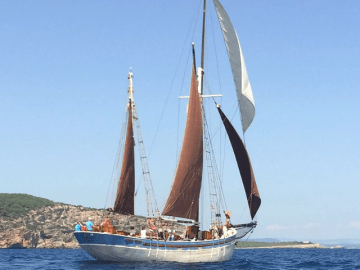
Sardinia rewards slow travel. The island is large enough that a single base rarely does it justice, and a twelve-day circuit allows time in both the rugged interior and along the coast without spending every morning behind the wheel. This itinerary is built around that balance: a handful of overnight stops, short driving stages, and enough free time to swim, walk or simply sit out an afternoon.
Why a circular route works well here
Sardinia’s geography suits a loop rather than a there-and-back trip. Roads are generally good and traffic outside the main towns is light, but distances add up quickly on mountain sections. Splitting the island into a northern and a southern half, with a crossing through the centre, keeps each day’s driving manageable and means you see the transition from granite coastline to limestone uplands and back again.
Spring and early autumn are the most comfortable seasons for this kind of tour. Summer is hot in the interior and busy on the best-known beaches, while winter closes many coastal hotels and restaurants.
The shape of the twelve days
- Days 1–3: Arrival and the north-east, including the granite coast and the islands off La Maddalena.
- Days 4–5: Inland Gallura and the Nuragic heartland around the centre-north.
- Days 6–8: The central east coast, with its long beaches and the mountain roads of the Ogliastra.
- Days 9–10: The south, taking in Cagliari and the coastal stretches either side of it.
- Days 11–12: The west coast and a return north, or a final night before departure.
What to build in
Archaeology. Sardinia has an exceptional concentration of Nuragic sites, from tower complexes to the enigmatic giants’ tombs. They are rarely crowded outside a few headline locations, and many sit in open countryside that is worth the detour on its own.
Walking. Short marked trails exist in most regions. The gorge country in the east and the uplands of the centre offer the most dramatic scenery, but even a half-hour path down to a beach can be the highlight of a day.
Food. The island’s own cooking is distinct from mainland Italy: suckling pig roasted over open fire, flatbreads baked to last, pecorino in various stages of ageing, and a strong tradition of sweet pastries. Agriturismo stays, where farms serve set menus of what they produce, are one of the most reliable ways to eat well.
Boat trips. The marine protected areas in the north-east and around the southern capes are best seen from the water. Half-day excursions depart from several harbours and typically include a stop for swimming.
Practical notes
- A car is essential for this kind of route. Pick up and drop off at the same airport avoids one-way charges.
- Book accommodation in advance for the coastal stretches in high season; inland options are more forgiving.
- Distances on the map can be misleading. Allow more time than a route planner suggests for any road crossing the interior.
- Fuel stations are sparse in remote areas, so fill up when you pass one.
- Many smaller hotels and restaurants close from November to March.
Choosing your stops
The pleasure of a twelve-day tour is that it can be adapted. Travellers more interested in coast and swimming can shorten the inland stages; those drawn to archaeology and walking can do the reverse. What matters is keeping the daily drives short enough that there is still time to get out of the car and see where you are.