Planning · 13 September 2026
Public transport in Sardinia
Sardinia is the second-largest island in the Mediterranean, and its public transport network reflects the island's geography: comprehensive enough to reach most places, but often slow, infrequent and geared towards the n
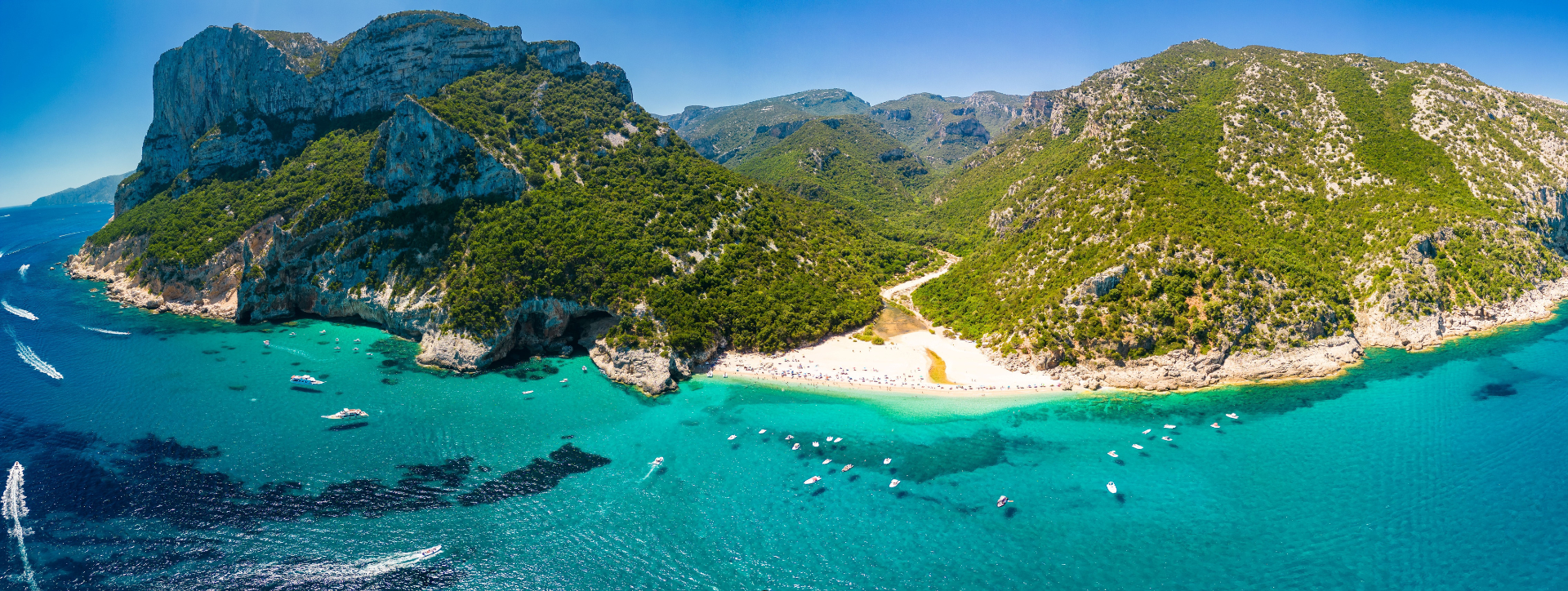
Getting Around Sardinia Without a Car
Sardinia is the second-largest island in the Mediterranean, and its public transport network reflects the island’s geography: comprehensive enough to reach most places, but often slow, infrequent and geared towards the needs of residents rather than visitors. With a little planning, however, it is perfectly possible to explore much of the island by bus and train.
By train
The island’s main rail operator, Trenitalia, runs the primary network. The key line connects Cagliari in the south with Oristano, Macomer, Ozieri and Sassari in the north-west, continuing to Porto Torres and Olbia. There is no direct coastal route around the island, so journeys between the major towns often involve travelling inland.
A second, private network of narrow-gauge railways — the Ferrovie della Sardegna — serves smaller towns and the interior. Some of these lines are now used mainly for tourist services, including the celebrated Trenino Verde (Little Green Train), which runs seasonal heritage journeys through the mountains and valleys of the interior. These are scenic excursions rather than practical transport, and they operate only at certain times of year.
By bus
For many destinations, buses are more useful than trains. Regional operators, most notably ARST, cover a wide network linking towns, villages and coastal resorts. Services are frequent on the main routes between the larger cities, but become much sparser in rural areas and in the off-season. On Sundays and public holidays, timetables are noticeably reduced.
Several companies also run direct coach services connecting Cagliari, Olbia, Sassari and other centres, often timed to meet flights and ferries.
Airports and ports
Sardinia has three main airports: Cagliari-Elmas in the south, Olbia Costa Smeralda in the north-east, and Alghero-Fertilia in the north-west. All three are connected to their nearest cities by bus and, in some cases, by train. Olbia and Porto Torres also have ferry links to the Italian mainland and to Corsica.
Tickets and practicalities
Tickets for local buses are usually bought in advance from tobacconists, newsagents or ticket machines rather than from the driver, and must be validated on board. Rail tickets can be purchased at stations, online or through ticket machines. A range of day passes and multi-journey tickets is available in the larger cities.
Travellers should be prepared for timetables that change with the seasons, especially along the coast, where many services are designed around the summer months. Checking times locally, or in advance through the operators’ own websites, is strongly advised.
Getting around without a car
Sardinia rewards those who slow down. The island’s interior, with its archaeological sites and mountain landscapes, is best reached by bus or on an organised excursion, while the coastal resorts are served by seasonal services in summer. For visitors who want to combine independence with a break from driving, a mix of trains, buses and the occasional guided trip works well — provided you allow extra time and treat the journey itself as part of the holiday.